
Cluster Fly Control & Prevention
Cluster flies crowding your windows? Schedule a service with Plunkett's Pest Control!
Cluster Fly Pest Control
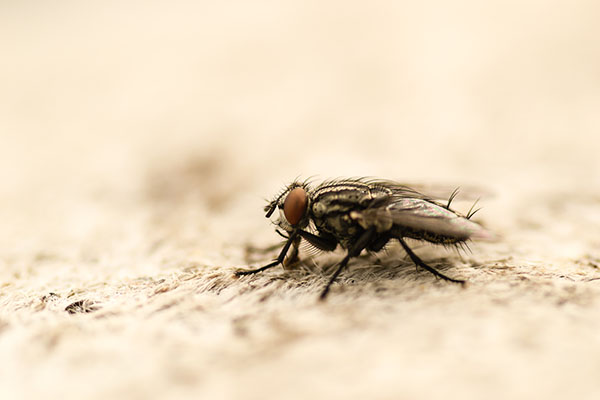
Cluster flies are easiest to stop before they get inside. Once they’ve settled into your attic and wall voids for the winter, most of them are out of reach. That’s why Plunkett’s cluster fly control focuses on timing.
To solve your cluster fly infestation, the Plunkett’s team:
- Inspects the outside of your home, paying close attention to the south and west sides where cluster flies gather in late summer, and identifies entry points like siding gaps, window casings, soffits, and attic vents
- Applies a residual treatment to exterior cracks and crevices between late August and late September, before the flies move indoors. Through our Fall Invader Program, homeowners can expect up to an 85% reduction in overwintering pests
- Treats accessible window, wall, and ceiling voids during winter or spring if flies are already inside, which reduces the number that make it into your living space
- Recommends sealing and screening to help keep future generations of cluster flies out
Want year-round coverage? Our HomeGuard program can include Fall Invader Service along with protection from other common household pests. Schedule a service by filling out our form!
What are Cluster Flies?
Cluster flies (Pollenia species) are a common fall invader in homes, cabins, and farm buildings across the Midwest. They get their name from the way they bunch together on sunny exterior walls and around windows as the weather turns cool. Unlike house flies, cluster flies aren't drawn to garbage or food. They come inside for one reason: To find a protected place to spend the winter.
Cluster Fly Identification
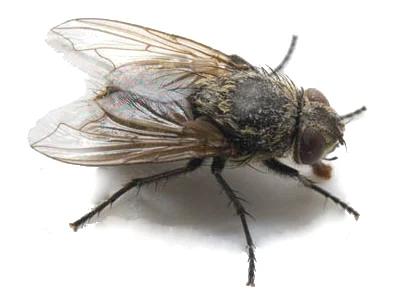
Adult cluster flies measure about ⅜ of an inch long. They're dull gray with a checkered pattern on the abdomen and short, golden-yellow hairs on the thorax that give them a slightly fuzzy look. At rest, their wings fold flat and overlap over their back. Indoors, they tend to be slow and clumsy, often buzzing against windows or crawling across sills.
Cluster Flies vs. House Flies
The two are easy to mix up at a glance, but a few details set them apart:
| Cluster Flies | House Flies | |
|---|---|---|
| Size | Slightly larger, about ⅜ inch | About ¼ inch |
| Look | Black; short golden hairs on the thorax; wings overlap at rest | Four dark stripes on the thorax; wings held apart |
| Behavior | Sluggish, gather in groups near windows, tend to fly in more erratic patterns, quickly hopping from one surface to another | Fast, active fliers |
| Found | Attics, wall voids, upper-floor windows in fall, winter, and spring | Kitchens, trash, and pet waste, mostly in summer |
| Breed Indoors? | No | Yes |
If the flies in your home look more like house flies, visit our common flies page for identification and control tips.
Why Are There Cluster Flies in My House?
In late summer and early fall, adult cluster flies gather on the warm, sunny sides of buildings, usually the south and west walls. As temperatures drop, they crawl into the smallest openings they can find: gaps in siding, cracks around windows and doors, loose soffits, and unscreened attic vents. From there, they settle into attics and wall voids and stay mostly dormant through the winter.
The trouble starts on warm days. A sunny afternoon in January or an early thaw in March can wake them up, and instead of heading back outside, many of them follow the light into your living space. That's why a cluster fly problem often seems to appear out of nowhere in the middle of winter.
A few things make some homes more attractive than others:
- Location: Homes near lawns, pastures, fields, or farmland have more earthworms nearby, which means more cluster flies
- Exposure: Houses on a hill or that stand out in the landscape tend to draw larger numbers
- Access: Older homes and cabins with more gaps, cracks, and unscreened vents give flies more ways to get in
The good news is that cluster flies don't breed indoors, bite, or damage your home. Every fly you see came in from outside last fall.
Cluster Fly Life Cycle
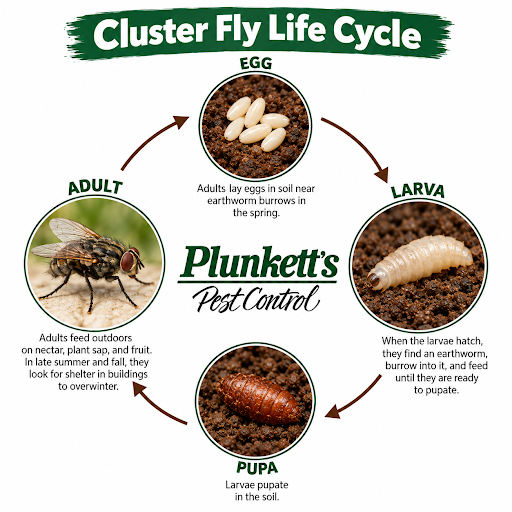
Cluster flies spend their early life as parasites of earthworms, which is a big reason they're so common in rural areas. In spring, the adults that survived the winter leave buildings and lay eggs in soil near earthworm burrows. When the larvae hatch, they find an earthworm, burrow into it, and feed until they're ready to pupate in the soil.
The full life cycle takes roughly four to six weeks in warm weather, so three to four generations of cluster flies can develop between spring and fall. Adult cluster flies feed outdoors on nectar, plant sap, and fruit. They don't eat anything inside your home. When summer ends, the last generation of the year looks for shelter, and the cycle starts over.
How to Get Rid of Cluster Flies
Once cluster flies are inside, the ones you see are only part of the problem. Most of them are tucked into wall voids and attic spaces, and they'll keep coming out on warm days until spring.
Vacuuming flies off windows and setting sticky traps near sunny windows can keep things manageable in the meantime. Be sure to clear out dead flies, too, since large numbers can attract larder beetles and carpet beetles. Skip the bug bomb. Foggers only reach the flies in the open air, not the ones hiding in your walls.
To get rid of cluster flies for real, you have to stop them before they get in. That's why Plunkett's focuses on a late-summer exterior treatment through our Fall Invader Program, with limited interior treatment available if flies are already inside. The same service also helps with Asian lady beetles and boxelder bugs.
How to Prevent Cluster Flies
Cluster fly prevention needs to happen before flies start looking for winter shelter, typically late August into September. Along with a professional exterior treatment, you can help by:
- Sealing cracks around windows, doors, siding, and utility lines
- Screening attic, soffit, and gable vents
- Repairing damaged window and door screens
Sealing alone won't catch every gap, especially in older homes. Paired with a fall treatment, though, it's the most effective way to keep cluster flies out.
Does Plunkett’s Offer Cluster Fly Control in My Area?
Plunkett's provides cluster fly control across the Midwest and beyond. Find your location below to connect with your local Plunkett's team.
Cluster Fly Removal & Prevention
Our technicians are ready to help keep cluster flies out of your home. Call 866-906-1780 or fill out the form to get started.

Cluster Fly Control With Plunkett's
At Plunkett’s, our goal is to help you quickly, conveniently, and in the most cost-effective way. We make every effort to be with you asap, usually within a day or two.
Frequently Asked Questions
What are cluster flies?
Cluster flies are slow-moving, dark gray flies that look similar to house flies, but they’re slightly larger and more sluggish. Unlike other flying pests, cluster flies don’t breed or feed indoors. They’re just looking for a warm place to spend the winter. Because they spend the winter in wall voids and attics, homeowners often don’t notice them until they emerge on warm days in late winter or early spring.
Why are there so many cluster flies in my house?
If you’re finding cluster flies in house spaces like windows, attics, or upper floors, it’s usually because a large number of them entered through cracks, gaps, or entry points around windows and doors the previous fall. Once inside, they settle into wall voids and attics in large groups, similar to other fall invaders like Asian lady beetles and boxelder bugs. On sunny winter days, they may become active and wander into living spaces.
How do I get rid of cluster flies?
The most effective way to get rid of cluster flies already inside your home is to vacuum them up as you see them. Don’t swat them, because they can leave stains. The only way to really stop them is to have a professional pest control company, like Plunkett’s, perform targeted treatment on the exterior of your home in late summer through early fall. Plunkett’s Fall Invader treatment is designed to significantly reduce the number of cluster flies and other overwintering pests that make it inside in the first place.
How can I prevent cluster flies from coming back?
Cluster fly prevention starts with sealing up entry points. Caulk around windows and doors, repair damaged screens, and close gaps around siding, vents, and utility lines. Since cluster flies are drawn to sun-warmed exterior walls in early fall, homes with a lot of south- or west-facing sun exposure tend to see more activity. Some people never have cluster flies, but suddenly get them one year, and then they will always have them. Getting rid of flies can be difficult because they overwinter in hard-to-find areas. Scheduling a preventative exterior treatment before fall is the most reliable way to keep next season’s cluster flies from getting inside.
How can I tell where cluster flies are coming from?
Cluster flies usually enter through small cracks and openings around windows, doors, attic vents, and siding, especially on the sunniest side of the home. Because they hide in wall voids once inside, the entry point isn’t always visible from indoors. A trained technician can inspect your home’s exterior to identify likely access points as part of a Plunkett’s Fall Invader service.
Does Plunkett’s offer cluster fly control?
Yes, Plunkett’s Pest Control provides both preventative and active cluster fly control across our Midwest service area. Our Fall Invader Program treats the exterior of your home to keep cluster flies, boxelder bugs, and Asian lady beetles from getting inside in the first place. If you’re already noticing flies indoors, find your local service area to schedule a visit.